
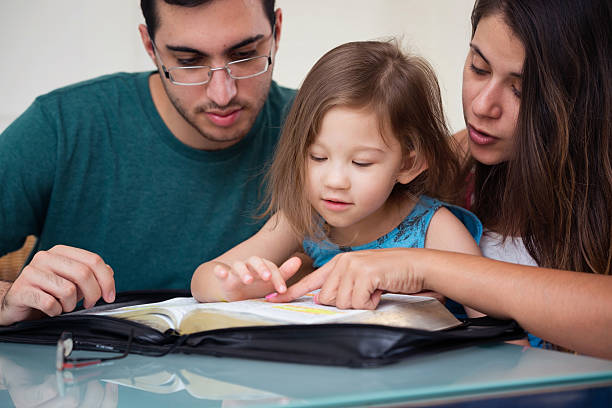
We all yearn for a sense of direction and purpose, a compass that points us to the right path as we navigate this journey called life. Isn’t this starkly similar to what parents want for their children as well? How desirable is it to instill good values, right principles, and a resilient faith to equip them for their life’s voyage? In the heart of this quest lies the age-old wisdom contained in the “train up a child scripture.”
Unquestionably, the “train up a child scripture”, Proverbs 22:6 in the American Standard Version of the Bible, offers guidance that echoes through time, reaching out to parents even at this present age. It declares, “Train up a child in the way he should go, and when he is old, he will not depart from it.” As we delve into this profound scripture, we will explore how integral it is in raising children who are spiritually grounded and morally upright, destined to be the blaze that lights up their identity and the world for generations to come.
What does the Bible say about training up a child?
Training up a child according to biblical teachings is a vital aspect of raising children in the ways of the Lord. The Bible provides guidance and wisdom on the importance of instilling moral values, discipline, and faith in the hearts of children. One of the key scriptures that addresses this topic is found in Proverbs 22:6, which states, “Train up a child in the way he should go, and when he is old he will not depart from it.”
This verse emphasizes the significance of early and consistent instruction in a child’s life. By teaching children the principles of righteousness and faith from a young age, parents and caregivers play a crucial role in shaping their character and beliefs. The phrase “train up” implies a deliberate and intentional effort to guide and educate children in the ways of God.
Another important scripture related to training up a child is found in Ephesians 6:4, which advises parents, “Fathers, do not provoke your children to anger, but bring them up in the discipline and instruction of the Lord.” This verse highlights the importance of nurturing children with love, discipline, and spiritual guidance. It reminds parents to be patient, compassionate, and consistent in their approach to parenting.






In Deuteronomy 6:6-7, parents are instructed, “And these words that I command you today shall be on your heart. You shall teach them diligently to your children, and shall talk of them when you sit in your house, and when you walk by the way, and when you lie down, and when you rise.” This passage emphasizes the continual and holistic nature of teaching children about God’s commandments and principles.
How can parents apply the concept of training up a child in modern times?
In the hustle and bustle of modern life, parents often find themselves overwhelmed with the responsibilities of raising children in a world filled with ever-changing values and influences. However, the timeless wisdom found in the train up a child scripture from the book of Proverbs provides a solid foundation for guiding parents in their journey of nurturing their children in today’s society.
Proverbs 22:6 states, “Train up a child in the way he should go, and even when he is old he will not depart from it.” This verse emphasizes the importance of early and intentional training that shapes a child’s beliefs, values, and behavior. In applying this concept to modern times, parents can explore various practical ways to instill these teachings in their children.
First and foremost, parents can lead by example. Children learn best by observing the actions and attitudes of their parents. By modeling virtues such as kindness, honesty, patience, and respect, parents can set a positive example for their children to emulate.
Furthermore, creating a nurturing and supportive environment at home is essential for training up a child in the right way. Open communication, active listening, and providing emotional support foster a strong parent-child relationship, which is crucial for imparting values and guiding children through life’s challenges.
Incorporating regular family devotions and discussions centered around faith and morality can also help reinforce the teachings of the train up a child scripture. Reading and reflecting on relevant Bible passages, discussing real-life scenarios, and engaging in prayer together can deepen children’s understanding of spiritual principles and equip them to make wise choices.
Additionally, setting clear boundaries and expectations, coupled with consistent discipline, is vital for shaping a child’s character. Teaching children the importance of responsibility, accountability, and consequences for their actions helps them develop self-discipline and respect for authority.
In the fast-paced digital age, monitoring and regulating children’s exposure to media and technology play a significant role in their moral and spiritual development. Parents should actively engage with their children’s online activities, guide them in navigating potential risks and harmful content, and encourage a healthy balance between screen time and real-life interactions.
What are the key principles behind the scripture “train up a child”?
In the book of Proverbs in the Bible, there is a well-known scripture that says, “Train up a child in the way he should go, and even when he is old he will not depart from it.” This verse, found in Proverbs 22:6, holds valuable insights into the principles of raising and nurturing children according to the teachings of Christianity.
The keyword ‘train up a child scripture’ emphasizes the importance of early guidance and instruction in a child’s life. It highlights the significance of intentional and consistent efforts in shaping a child’s beliefs, values, and behavior in alignment with God’s word. Let’s delve into the key principles behind this scripture:
- Early Foundation: The scripture emphasizes the importance of starting the process of training and guidance from a young age. Children are like sponges, absorbing information and behaviors from their surroundings. By instilling values, morals, and teachings early on, parents and guardians lay a solid foundation for a child’s faith and character development.
- Personalized Approach: “Train up a child in the way he should go” signifies a tailored approach to parenting. Recognizing that each child is unique, with different strengths, weaknesses, and temperaments, parents are encouraged to provide individualized guidance that suits the child’s needs. Understanding and considering the child’s inclinations and tendencies can help in directing them towards a path that aligns with God’s will for their life.
- Consistency and Commitment: The scripture implies the necessity of consistency and commitment in the upbringing of children. Training is not a one-time event but a continuous process that requires ongoing effort, patience, and perseverance. Consistent modeling of faith, values, and actions by parents and caregivers reinforces the teachings and ensures that they become ingrained in the child’s heart and mind.
- Freedom and Responsibility: While the scripture stresses the role of parents in training up a child, it also acknowledges the child’s responsibility in accepting and walking in the ways they have been taught. Providing guidance and discipline is crucial, but allowing children the freedom to make choices within the boundaries of biblical principles helps them develop a sense of accountability and ownership in their faith journey.
- Eternal Impact: The ultimate goal of training up a child according to this scripture is to cultivate a lasting influence that endures into adulthood. The promise that “even when he is old he will not depart from it” underscores the enduring impact of early training in a child’s life. The values and teachings imparted in childhood are intended to shape the adult they become and guide them in their walk with God throughout their life.Incorporating these key principles into the upbringing of children aligns with the teachings of the Bible and empowers parents and caregivers to fulfill their God-given role in nurturing the next generation in faith and righteousness. The scripture “train up a child” serves as a guiding light, reminding believers of the profound impact of intentional, loving, and consistent training in the lives of children.
How Can Religious Teachings Help in Raising a Child According to the Scripture?
In the realm of parenting, one of the most precious treasures parents possess is the opportunity to mold and nurture the hearts and minds of their children. This responsibility, though daunting at times, can be guided by the wisdom found in religious teachings, especially when grounded in the timeless truths of sacred scriptures. Proverbs 22:6 provides a foundational principle that resonates with parents seeking to instill values, morals, and faith in their children: “Train up a child in the way he should go, and even when he is old he will not depart from it.”
The word “train” in this scripture encompasses a broader meaning than merely teaching; it implies a holistic approach to nurturing a child. By incorporating religious teachings into parenting, caregivers have the blueprint to cultivate a child’s character, values, and belief system. Children are like sponges, absorbing the world around them, making it crucial for parents to provide a positive and spiritually enriching environment.
One practical way to implement this scripture is by integrating daily devotions or family prayer time into the routine. Sharing stories from the Bible, discussing virtues, and modeling empathy and forgiveness reflect the teachings found in scriptures and help children internalize these principles. Through consistent exposure to religious teachings, children can develop a solid foundation that shapes their decisions and perspectives in life.
Moreover, scriptures offer timeless wisdom that can guide parents in navigating the complexities of raising a child. Proverbs 29:15 reminds us, “The rod and reproof give wisdom, but a child left to himself brings shame to his mother.” This verse highlights the importance of discipline rooted in love and correction aimed at shaping a child’s behavior positively. Discipline, when administered with compassion and understanding, teaches children accountability and respect for authority.
Incorporating religious teachings also provides a moral compass that aids children in distinguishing right from wrong. Ephesians 6:1 nstructs children to “obey your parents in the Lord, for this is right.” By instilling the value of obedience and respect for authority figures, parents help their children cultivate virtues that lead to harmonious relationships and a strong moral foundation.
Furthermore, Galatians 5:22-23 outlines the fruits of the Spirit, such as love, joy, peace, patience, kindness, goodness, faithfulness, gentleness, and self-control. Teaching children to embody these qualities fosters emotional intelligence and equips them to handle life’s challenges with grace and wisdom.
What are some practical examples of training up a child as per the scripture?
Training up a child in the way he should go is a fundamental concept emphasized in the scripture. Proverbs 22:6 says, “Train up a child in the way he should go, And even when he is old he will not depart from it.” This verse highlights the importance of instilling godly principles and values in children from a young age. But what does it mean to train up a child according to the scripture? Here are some practical examples based on biblical teachings:
- Teaching them about God’s Word: As a parent or guardian, it is vital to familiarize children with the teachings of the Bible. Reading and discussing scripture with them regularly helps them understand moral values, kindness, and the importance of faith in their lives. Encouraging them to memorize verses or participate in children’s church activities can also aid in their spiritual growth.
- Leading by example: Children often learn by observing and imitating the actions of adults around them. By demonstrating love, patience, forgiveness, and integrity in our own lives, we can set a positive example for them to follow. Showing them what it means to live out the teachings of Jesus in practical ways can have a lasting impact on their character development.
- Praying together: Prayer is a powerful tool in nurturing a child’s relationship with God. Taking time to pray with children not only strengthens family bonds but also teaches them to rely on God for guidance, comfort, and provision. Encouraging them to pray for others and share their joys and concerns fosters a spirit of compassion and gratitude.
- Promoting service and kindness: Jesus taught the importance of serving others and showing kindness to everyone. Engaging children in acts of service, such as volunteering at a local shelter or assisting elderly neighbors, instills a sense of empathy and generosity. Encouraging them to treat others with respect and compassion aligns with the scripture’s call to love our neighbors as ourselves.
- Fostering a spirit of discipline and responsibility: Proverbs 19:18 reminds us, “Discipline your son while there is hope, And do not desire his death.” Teaching children the importance of self-discipline, accountability, and hard work prepares them for the challenges they will face in life. Setting boundaries, establishing routines, and holding them accountable for their actions help cultivate a sense of responsibility and maturity.Training up a child as per the scripture is a continuous journey that requires patience, consistency, and prayer. By integrating these practical examples into daily parenting practices, we can nurture children in a way that honors God’s teachings and prepares them to lead fulfilling, purposeful lives rooted in faith and love.
How does the concept of training up a child contribute to their moral development?
Proverbs 22:6 in the Bible, known as the ‘train up a child’ scripture, provides guidance on the importance of early upbringing in shaping a child’s moral character. The verse reads, “Train up a child in the way he should go, and even when he is old he will not depart from it.”
The act of training up a child involves more than just providing basic necessities and education. It encompasses instilling values, beliefs, and principles that form the foundation of their moral compass. By actively engaging children in teachings that promote integrity, kindness, and righteousness, parents and guardians play a pivotal role in nurturing their moral development.
Children are like sponges, absorbing information and behaviors from their surroundings. When they are consistently exposed to positive influences and taught the difference between right and wrong, they are more likely to internalize these lessons and exhibit moral behavior throughout their lives. Proverbs emphasizes the significance of early intervention, suggesting that the values instilled in childhood have a lasting impact into adulthood.
Beyond teaching moral values, training up a child also involves modeling desirable behaviors. Children often learn more from observing the actions of adults around them than from verbal instructions alone. Parents who demonstrate honesty, empathy, and respect in their interactions serve as powerful role models for their children to emulate.
Furthermore, the concept of training up a child extends beyond the immediate family unit. Schools, churches, and communities also play a crucial role in supplementing the moral education of children. When these institutions align with the values taught at home, they reinforce and strengthen the moral foundation laid by parents and caregivers.
In a world where ethical dilemmas and moral challenges abound, equipping children with a strong moral compass is essential for their well-being and success. The principles instilled through training up a child not only guide their behavior but also shape their character, enabling them to navigate life with integrity and purpose.
As believers, embracing the wisdom of Proverbs 22:6 reminds us of the sacred responsibility entrusted to us in shaping the moral development of future generations. By prioritizing the training up of children in the way they should go, we sow seeds of righteousness that bear fruit long after we are gone.
What are the potential challenges faced by parents in training up a child according to the scripture?
Raising a child according to the scripture is a sacred and important responsibility for Christian parents. The Bible teaches in Proverbs 22:6, “Train up a child in the way he should go; even when he is old he will not depart from it.” This verse emphasizes the essential role parents play in instilling spiritual values and teachings in their children from a young age. However, this task is not without its challenges.
One significant challenge parents may face in training up a child according to the scripture is the influence of the secular world. In today’s society, children are exposed to a plethora of conflicting messages and values that may contradict the teachings of the Bible. From media to peers, the pressure to conform to worldly standards can be overwhelming for both children and parents. Balancing these external influences with the solid foundation of scripture can be a daunting task.
Moreover, another challenge parents may encounter is the struggle to live out the principles they are trying to teach their children. Children learn not only from what they are taught but also from what they observe in their parents’ actions and attitudes. Consistency between what is taught and what is lived is crucial in effectively training up a child in the scripture. This can be an ongoing challenge as parents navigate their own faith journey while guiding their children’s.
Additionally, the fast-paced nature of modern life can pose a challenge to parents in dedicating time and effort to training up their children according to the scripture. Busy schedules, work commitments, and technological distractions can limit the opportunities for meaningful engagement with children in matters of faith. Finding the balance between providing for the family’s physical needs and nurturing their spiritual development requires intentional effort and prioritization.
Furthermore, the diversity of interpretations within the Christian community can also present a challenge for parents in training up a child according to the scripture. Different denominations or theological perspectives may emphasize varying aspects of faith or practice, leading to confusion or uncertainty for parents seeking to provide a cohesive spiritual upbringing for their children. Navigating these differences while remaining true to one’s own beliefs can be a challenging task.
How can a community support families in training up a child based on the scripture?
Raising a child is a significant responsibility that requires support and guidance from the entire community. The well-known scripture from Proverbs 22:6 advises, “Train up a child in the way he should go, and even when he is old he will not depart from it.” This verse highlights the importance of providing a strong foundation and upbringing for children, instilling values and teachings that will stay with them throughout their lives.
One way a community can support families in training up a child according to this scripture is by offering mentorship programs. These programs can pair experienced parents or community members with families who may need guidance or support in raising their children. By having a mentor who can provide wisdom and encouragement based on biblical principles, parents can feel more equipped to instill values in their children.
Another essential aspect of supporting families in training up a child is through the provision of educational resources. Communities can organize parenting workshops or seminars that focus on implementing biblical teachings in child-rearing. By equipping parents with practical tools and strategies, they can better fulfill their role in raising their children according to the scriptural guidance.
Furthermore, creating a supportive community network where families can connect, share experiences, and provide mutual support is crucial in training up a child based on the scripture. By fostering a sense of unity and collaboration among families, children can witness positive role models and relationships that align with the values taught in the Bible.
In addition to mentorship programs, educational resources, and community networks, churches play a vital role in supporting families in training up a child. Churches can offer Sunday school programs, youth groups, and family-oriented events that reinforce biblical teachings and provide a spiritual foundation for children to grow in faith.
Common Questions Related to “Train Up a Child” Scripture
Question: What does the scripture “Train up a child in the way he should go, and when he is old he will not depart from it” mean?
Answer: This scripture from Proverbs 22:6 emphasizes the importance of guiding children in a manner that aligns with God’s teachings so that they will continue to walk in righteousness as they grow older.
Question:How can parents apply the principle of training up a child in their daily lives?
Answer: Parents can apply this principle by setting a positive example, teaching children God’s Word, and disciplining them in love to instill values and morals.
Question: What are some practical ways to train up a child according to the Bible?
Answer: Practical ways include praying together as a family, reading and discussing scripture, attending church together, and modeling Christ-like behavior.
Question: Is training up a child a one-time event or an ongoing process?
Answer: Training up a child is an ongoing process that involves consistent teaching, correction, and guidance throughout the child’s life.
Question: How can parents address challenges in training up a child, especially in today’s culture?
Answer: By leaning on God for wisdom, seeking support from other believers, and adapting biblical principles to address modern challenges, parents can navigate the complexities of raising children in today’s culture.
Question: What role does love play in training up a child?
Answer: Love is a foundational element in training up a child, as it provides a nurturing and secure environment in which children can learn and grow in faith.
Question: How does training up a child reflect God’s heart for His children?
Answer: Just as God lovingly disciplines and guides His children, parents are called to train up their children in a way that mirrors God’s loving and merciful nature.
Question: Why is it important for parents to be intentional in their approach to training up a child?
Answer: Being intentional in training up a child ensures that parents are actively shaping and molding their child’s character and faith, laying a strong foundation for their spiritual growth.
Question: What are the long-term benefits of training up a child according to God’s Word?
Answer: By training up a child in the ways of the Lord, parents can instill a lasting faith, values, and morals that will guide the child throughout their life and into adulthood.
Question: How does the principle of training up a child apply to all caregivers and mentors in a child’s life?
Answer: The principle of training up a child extends to all caregivers and mentors, emphasizing the collective responsibility of guiding children in the ways of the Lord and nurturing their faith journey.
Conclusion
In conclusion, the importance of following the biblical command to “train up a child in the way he should go” cannot be overstated. This scripture from Proverbs 22:6 serves as a powerful reminder to parents and caregivers everywhere of their crucial role in nurturing, teaching, and guiding the next generation. By grounding children in faith, values, and wisdom, we equip them to navigate the complexities of life with grace and courage. Let us embrace the responsibility and privilege of shaping young minds and hearts according to the teachings of the Word, knowing that in doing so, we are fulfilling God’s divine plan for the future.