
Understanding Shobach in the Bible
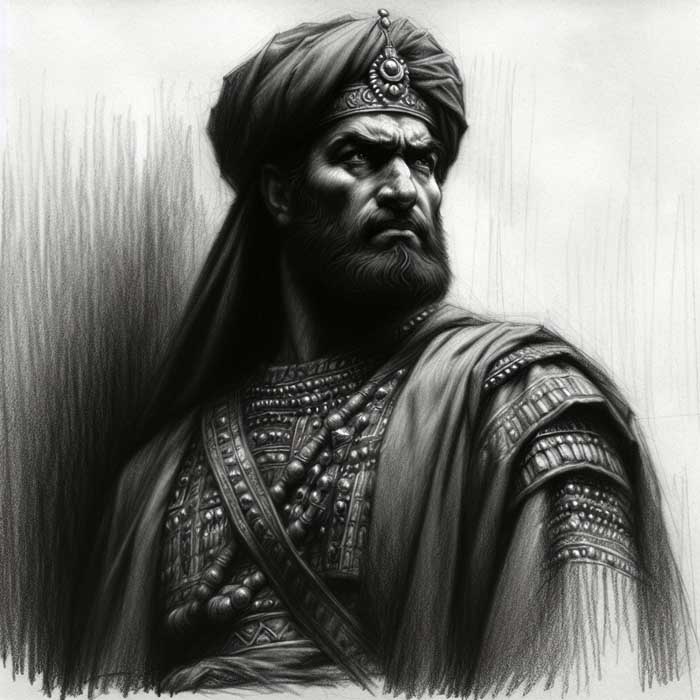
Shobach is a figure mentioned in the Bible who played a significant role as a military leader for the Ammonites. He is not as well-known as some other biblical characters, but his presence during a pivotal time in Israel’s history offers insights into the conflicts and dynamics of that era. Shobach’s actions and the events surrounding him reveal much about the relationships between Israel and its neighboring nations. Let’s delve into who Shobach was and his importance in scripture.
Who Was Shobach?
Shobach is recognized in 2 Samuel 10:6-14 and 1 Chronicles 19:6-15. He held the position of commander of the Ammonite army during a time when the Ammonites were in conflict with Israel. The Ammonites, descendants of Lot, had a tumultuous history with Israel, filled with periods of warfare and fear.



Shobach’s leadership is noted primarily during one of these conflicts when the Ammonites took action against Israel under King David’s rule. Known as a skilled warrior, Shobach led the Ammonite forces in a battle against the Israelites, showcasing his role as a significant military figure in the biblical narrative.
The Biblical Context of Shobach’s Encounter
To better understand Shobach’s significance, we must look at the historical context surrounding his era. After the death of King Nahash, the Ammonite king, David sent ambassadors to express condolence and establish friendships. Unfortunately, the new king, Hanun, rejected David’s kindness. Instead of welcoming the ambassadors, he humiliated them, which led to war between Israel and the Ammonites.
In response, Hanun fortified his army by hiring mercenaries from Syria, which included a strong contingent led by Shobach. This response to David’s alliance shook the political landscape, culminating in an intense battle.
The Battle: Strategies and Outcomes
When the Ammonites prepared for battle, they faced a dual challenge due to the Israelite strategy. David divided his forces; he sent Joab to lead part of the army against the Ammonites while also coordinating with a secondary unit to address the mercenaries. This division was strategic, aiming to split the attention and efforts of Shobach and the Ammonite generals.
As the conflict unfolded, Joab’s forces engaged with Shobach’s command. Joab recognized the necessity of tackling the situation wisely. He pressed forward with his men while simultaneously encouraging his troops by telling them to remain strong and rely on their God for victory (2 Samuel 10:12).
Ultimately, the combined forces of Israel, led valiantly by Joab, were able to overpower Shobach and the Ammonite soldiers. The narrative emphasizes the crucial importance of teamwork and unity, demonstrating how divided forces and poor strategic decisions can lead to defeat.
The Legacy and Significance of Shobach
While Shobach himself did not have an extensive character development within scripture, his role illustrates important lessons about leadership and conflict. He emerges as a courageous figure defending his nation amidst intense warfare, showcasing the talents and responsibilities held by commanders of his time.
From his story, readers can glean lessons in resilience, the consequences of humiliation, and the importance of alliances in warfare. Shobach’s defeat serves as a reminder for leaders today about the significance of wisdom in strategy over mere brute force.
Shobach in Relation to Broader Biblical Themes
Shobach’s narrative connects with broader themes found throughout the Bible, particularly regarding divine intervention in battles. Warfare in biblical times often served as a backdrop for illustrating God’s covenant promises to Israel. The struggles faced against nations like the Ammonites were more than military conflicts—they were pivotal in establishing the identity and destiny of Israel as a nation chosen by God.
Shobach and his forces serve as a representation of human opposition to divine plans. The overwhelming presence of God’s favor towards Israel is emphasized in these conflicts, reflecting the victory that results from faithfulness and trust in God.
Moreover, Shobach’s story highlights the importance of individuals as part of larger narratives. Every character, regardless of their fame or notoriety in scripture, contributes to the overarching story of God’s relationship with His people.
Reflections on Warfare in Biblical Times
Warfare in the Bible is depicted with great moral complexity. Battles often represent more than the clash of armies; they reveal the hearts of leaders and the prevailing beliefs of nations. Shobach, leading the Ammonite forces, embodies the challenges Israel faced not just physically, but spiritually as well.
These accounts prompt questions on ethics, morality, and the purposes of conflicts. Was Shobach simply a representative of his people, or did he have a responsibility that went deeper? The complexities of his character lie untapped due to minimal details on his actions outside of battle, leaving readers to ponder the nuances of leadership and loyalty.
In Conclusion
The story of Shobach in the Bible, while brief, provides rich insights into the nature of conflict, leadership, and divine providence. While Shobach might not live on in the hearts and minds of many as a heroic or transformative figure, the consequences of his actions bear weight in the narratives surrounding the nation of Israel. The implications of his encounters and failures resonate through the ages, reminding current and future leaders of the critical importance of faith, strategy, and unity in the face of adversity.
Common Questions Related to Shobach in the Bible
Q. Who was Shobach in the Bible?
A. Shobach was the commander of the Ammonite army during a conflict with Israel, specifically mentioned in 2 Samuel and 1 Chronicles.
Q. What role did Shobach play in the biblical narrative?
A. Shobach led the Ammonite forces in battle against Israel, illustrating the conflicts between the two nations and the challenges faced by Israel.
Q. What was the outcome of the battle involving Shobach?
A. Shobach and the Ammonite army were defeated by the Israelites, showcasing the importance of divine favor in battles.
Q. How did Shobach’s actions affect the Ammonites?
A. Shobach’s leadership during the battle against Israel led to the defeat of the Ammonite forces, impacting their power and standing.
Q. What can we learn from Shobach’s story?
A. Shobach’s story teaches lessons on leadership, strategy, and the consequences of pride, as well as the importance of faith in times of conflict.
Q. Why did the conflict between the Ammonites and Israel occur?
A. The conflict arose after King Nahash’s death when his successor, Hanun, insulted David’s ambassadors, leading to war.
Q. What is the significance of Shobach in biblical themes?
A. Shobach’s story connects with themes of divine intervention, leadership, and the moral complexities of warfare depicted in the Bible.
Q. Is Shobach mentioned in the New Testament?
A. No, Shobach is primarily mentioned in the Old Testament accounts, specifically in relation to Israel’s battles.
Q. What was the strategic military response from Israel?
A. David divided his army to confront both the Ammonites and hired Syrian mercenaries, showcasing tactical ingenuity in battle.
Q. How does Shobach compare to other biblical military leaders?
A. Shobach, although not as renowned, illustrates the common challenges and responsibilities faced by military leaders in biblical warfare narratives.
Explore Further
If you found this page about Shobach interesting and would like to discover more about other biblical characters, explore our comprehensive Encyclopedia of Biblical Characters. For those looking to delve deeper into the Greek origins of these names and terms, our Greek Lexicon is an invaluable resource.