Who was Elias in the bible?
Elias (Greek Helias, Elijah) appears in Matthew and Mark in sayings about Elijah’s coming and in the mountain scene where “Moses and Elijah appeared… talking with him.”
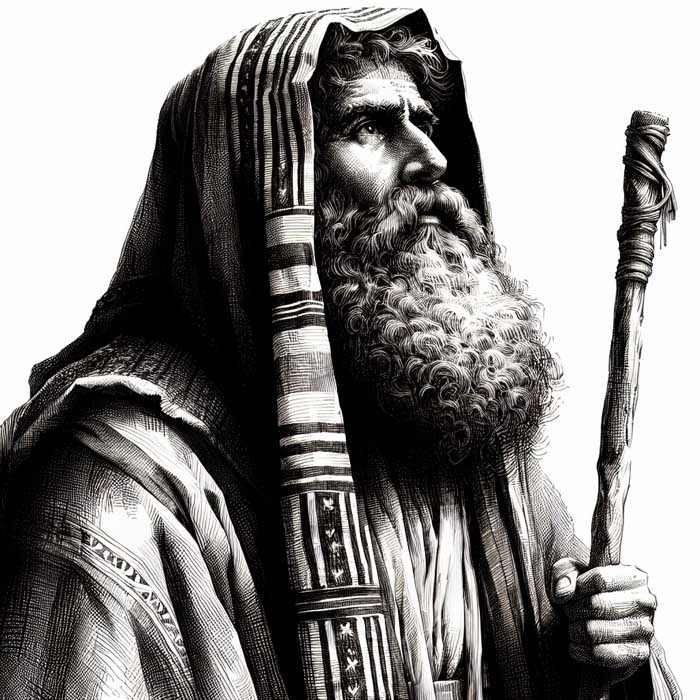
With Jesus
On a high mountain, “Moses and Elijah appeared to them talking with him” (Matthew 17:3; Mark 9:4). Peter proposed, “let’s make three tents… one for Moses, and one for Elijah” (Matthew 17:4).
Learn More →Coming and Recognition
Jesus said, “Elijah indeed comes first, and will restore all things” (Matthew 17:11). He added, “Elijah has come already… Then the disciples understood that he spoke to them of John the Baptizer” (Matthew 17:12-13).
Learn More →Elias (Greek Ēlias) is the New Testament Greek form of a Hebrew-origin name identified in the lexicon gloss as Elijah. In the verses provided, Elias/Elijah appears in Jesus’ teaching, in public speculation about Jesus’ identity, and in a mountain scene where “Moses and Elijah appeared.”

Elias in Scripture
In Matthew, Jesus links Elijah with the expectation that he “is to come,” and he speaks of that expectation as already fulfilled in a way people failed to recognize.
“If you are willing to receive it, this is Elijah, who is to come.” (Matthew 11:14)
Later, when Jesus asks about popular opinions, Elijah is one of the prominent answers placed alongside other prophetic figures.
“They said, “Some say John the Baptizer, some, Elijah, and others, Jeremiah, or one of the prophets.”” (Matthew 16:14)
Matthew 17 provides the fullest narrative setting in the supplied material. Jesus brings three disciples to a mountain, is visibly changed before them, and Elijah appears with Moses in conversation with him. The scene is described with concentrated language that presents Elijah as a recognized figure present at a pivotal revelation of Jesus’ identity.
“After six days, Jesus took with him Peter, James, and John his brother, and brought them up into a high mountain by themselves.” (Matthew 17:1)
“He was changed before them. His face shone like the sun, and his garments became as white as the light.” (Matthew 17:2)
“Behold, Moses and Elijah appeared to them talking with him.” (Matthew 17:3)
Peter responds by proposing three shelters, explicitly naming Elijah as one of the three for whom a “tent” might be made.
“Peter answered, and said to Jesus, “Lord, it is good for us to be here. If you want, let’s make three tents here: one for you, one for Moses, and one for Elijah.”” (Matthew 17:4)
As Peter speaks, a cloud overshadows them and a voice directs attention to Jesus.
“While he was still speaking, behold, a bright cloud overshadowed them. Behold, a voice came out of the cloud, saying, “This is my beloved Son, in whom I am well pleased. Listen to him.”” (Matthew 17:5)
The disciples react with fear; Jesus touches them, tells them not to be afraid, and when they look again they see only Jesus. As they descend, Jesus commands secrecy about what they saw “until the Son of Man has risen from the dead.”
“When the disciples heard it, they fell on their faces, and were very afraid.” (Matthew 17:6)
“Jesus came and touched them and said, “Get up, and don’t be afraid.”” (Matthew 17:7)
“Lifting up their eyes, they saw no one, except Jesus alone.” (Matthew 17:8)
“As they were coming down from the mountain, Jesus commanded them, saying, “Don’t tell anyone what you saw, until the Son of Man has risen from the dead.”” (Matthew 17:9)
This leads directly into a discussion about Elijah’s role. The disciples raise the scribal expectation that Elijah “must come first.” Jesus affirms the expectation in principle, describing Elijah as one who “will restore all things,” and then adds that Elijah has already come but was not recognized and was mistreated. Jesus parallels that lack of recognition and mistreatment with what “the Son of Man” will suffer. Matthew then reports the disciples’ understanding that Jesus’ words concerned John the Baptizer.
“His disciples asked him, saying, “Then why do the scribes say that Elijah must come first?”” (Matthew 17:10)
“Jesus answered them, “Elijah indeed comes first, and will restore all things,” (Matthew 17:11)
“but I tell you that Elijah has come already, and they didn’t recognize him, but did to him whatever they wanted to. Even so the Son of Man will also suffer by them.” (Matthew 17:12)
“Then the disciples understood that he spoke to them of John the Baptizer.” (Matthew 17:13)
Elsewhere in Matthew’s passion narrative, bystanders misinterpret words spoken near the crucifixion as a call to Elijah, and some express curiosity about whether Elijah will come to rescue him.
“Some of them who stood there, when they heard it, said, “This man is calling Elijah.”” (Matthew 27:47)
“The rest said, “Let him be. Let’s see whether Elijah comes to save him.”” (Matthew 27:49)
Mark’s Gospel also shows Elijah as part of public speculation about Jesus. Some identify Jesus as Elijah, while others speak more generally of a prophet.
“But others said, “He is Elijah.” Others said, “He is a prophet, or like one of the prophets.”” (Mark 6:15)
When Jesus asks his disciples what people say about him, Elijah again appears among the reported answers.
“They told him, “John the Baptizer, and others say Elijah, but others: one of the prophets.”” (Mark 8:28)
Mark also contains the mountain scene where Elijah and Moses appear and speak with Jesus, echoing the same basic identification found in Matthew 17.
“Elijah and Moses appeared to them, and they were talking with Jesus.” (Mark 9:4)
Name and Meaning
The Greek form is written Ἡλίας (Helias), pronounced hay-lee’-as. Strong’s identifies it as a name “of Hebrew origin” (from H0452), and the lexicon gloss equates the Greek Elias with Elijah.
Observation
Across these passages, Elijah is portrayed as a figure people expected (“Elijah must come first”), saw as a possible explanation for Jesus (“some… Elijah”), and, in the mountain scene, as one who “appeared… talking with him,” while Jesus insists that the decisive focus is: “This is my beloved Son… Listen to him.” (Matthew 17:5).
Frequently Asked Questions
What does the name Elias mean?
Elias is the Greek form of the Hebrew-origin name Elijah.
How many times does Elias appear in the Bible?
Elias occurs 30 times.
Who was Elias?
Elias refers to Elijah. In the Gospels, people discuss Elijah in connection with John the Baptizer (Matthew 16:14), and Jesus says, “Elijah indeed comes first, and will restore all things” (Matthew 17:11).
What moment shows Elias appearing with Jesus?
At the transfiguration, “Moses and Elijah appeared to them talking with him” (Matthew 17:3).
Explore Further
If you found this page about Elias interesting and would like to discover more about other biblical characters, explore our comprehensive Encyclopedia of Biblical Characters. For those looking to delve deeper into the Greek origins of these names and terms, our Greek Lexicon is an invaluable resource.
Sources: Name and occurrence data from Strong’s Exhaustive Concordance and STEPBible reference data (CC BY). Scripture quotations from the World English Bible (public domain).