
Understanding Tekoh in the Bible
Tekoh, or Tekoa, is a town mentioned in the Bible, specifically associated with the ancient territory of Judah. What is its significance? To answer this, we must delve into its geographic location, historical context, notable biblical figures linked to it, and its enduring relevance today.
Geographic Location
Tekoh is situated approximately six miles south of Jerusalem, nestled in the rugged hills of Judah. This location made it a strategic point during ancient times, allowing inhabitants to oversee travel routes and gather resources from surrounding areas. The terrain around Tekoh consists of rocky hills and valleys, contributing to its agricultural significance, especially in the cultivation of olives and grapes.



The town’s elevation and location also made it a natural lookout for potential threats from invading armies, particularly during tumultuous periods of Israel’s history. Its proximity to Jerusalem would have made Tekoh an important site for trade and communication, further fostering its role in the ancient kingdom of Judah.
Historical Context of Tekoh
The Time of Kings
During the periods of the Judges and the Kings in Israel, Tekoh played a role in the socio-political landscape of the region. As the Kingdom of Judah emerged, cities like Tekoh became essential in supporting the monarchy. It is important to note that Tekoh was not just a passive participant; it often reflected the broader cultural and religious dynamics of its time.
The Prophetic Voices from Tekoh
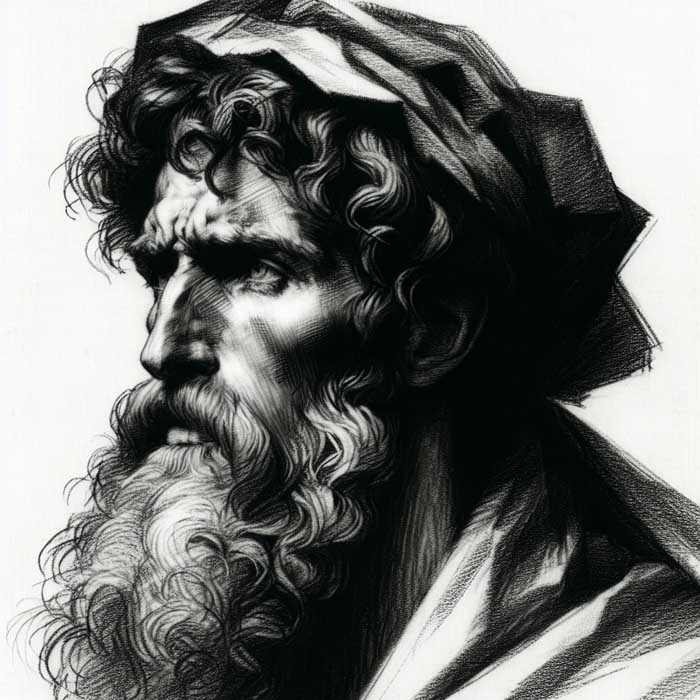
One of the most notable figures connected to Tekoh is the prophet Amos. Hailing from this town, Amos is one of the twelve minor prophets found in the Old Testament. His writings and prophetic mission are crucial to understanding the spiritual climate of Israel during the 8th century BCE. Amos stood in stark contrast to the corruption and social injustices prevalent in his society, issuing powerful messages of repentance and accountability.
Amos 1:1 introduces him as “Amos, who was among the shepherds of Tekoa.” This highlights the humble beginnings of the prophet and emphasizes that God’s messages can come from anywhere, even from a small town. Amos’s teachings extended beyond local concerns; he addressed wider societal injustices and called for the nation’s leaders to seek righteousness and justice.
Tekoh in Biblical Narratives
References in Scripture
Tekoh is referenced in several key biblical texts, leaving a mark on both religious and historical narratives.
- In 2 Samuel 14:2, Joab, the commander of King David’s army, seeks the aid of a wise woman from Tekoh to help persuade David regarding his estranged son Absalom. Joab’s choice points to the respect and influence the people of Tekoh wielded, particularly in legal and political matters.
- In 2 Chronicles 11:6, the town is mentioned again as part of Rehoboam’s fortifications, showcasing its strategic importance in the defense of the southern kingdom of Judah.
These references illustrate the importance of Tekoh in its broader historical context, as a site not only of agriculture and settlement but also of political maneuvering and significant events in the life of Israel’s monarchy.
The Spiritual Legacy of Tekoh
The town of Tekoh’s spiritual legacy is punctuated by the life and writings of Amos, which continue to inspire faith communities today. His straightforward messages and call for justice resonate with many believers who strive to make a difference in their communities.
Amos’s powerful metaphors, including the famous “plumb line” symbolizing God’s justice (Amos 7:7-9), have transcended time, compelling readers to reflect on their own lives and communities. His role as a prophet has turned Tekoh into a site of theological importance, underpinning the belief that God calls individuals from every walk of life to speak up for righteousness.
Cultural and Archaeological Significance of Tekoh
Archaeological Findings
Excavations in the area of Tekoh have provided valuable insights into daily life during ancient times. Artifacts suggest that the town was a center for agricultural production, with remnants of olive presses and storage facilities indicating that olive oil production was significant to its economy.
In addition to agriculture, archaeological layers reveal a continuous occupation of the site. This persistent settlement offers clues about trade, craftsmanship, and religious practices of the inhabitants over centuries.
Cultural Identity
The people of Tekoh, likely influenced by their proximity to Jerusalem and their agricultural lifestyle, developed a unique cultural identity. Their agricultural practices not only provided for the local population but also contributed to the wider economic landscape of Judah.
As the inhabitants of Tekoh engaged with the surrounding regions, they also interacted with various cultural and religious influences, contributing to the diverse tapestry of ancient Israelite society. This melding of cultures can be seen in archaeological records and historical methods of governance.
Tekoh Today: A Reflection on Its Influence
In contemporary discussions about community, justice, and theology, the legacy of Tekoh continues to resonate. The messages of prophets like Amos encourage modern believers to seek justice and righteousness in their own lives. The town itself remains a point of interest for both tourists and scholars who seek to understand its historical and spiritual significance.
The lessons derived from Tekoh’s biblical narratives serve as a reminder of the importance of standing up for what is right, advocating for those who are marginalized, and connecting with one’s roots through history and faith.
Common Questions Related to Tekoh in the Bible
Q. Where is Tekoh located in the Bible?
A. Tekoh is located approximately six miles south of Jerusalem in the territory of Judah.
Q. Who is the most notable biblical figure associated with Tekoh?
A. The prophet Amos is the most prominent figure connected to Tekoh, known for his messages against social injustice.
Q. What role did Tekoh play during King David’s reign?
A. Tekoh was significant as a point of political maneuvering; Joab used a wise woman from Tekoh to persuade King David regarding Absalom.
Q. Is Tekoh mentioned in the Old Testament?
A. Yes, Tekoh is mentioned multiple times in the Old Testament, including in 2 Samuel and 2 Chronicles.
Q. What does the name Tekoh mean?
A. The name Tekoh likely means “trumpet” or “to blow,” referring to the sound made to summon people or to announce an event.
Q. How does the story of Amos relate to Tekoh?
A. Amos’s messages of justice and repentance emerged from his experiences in Tekoh, shaping his prophetic mission.
Q. What archaeological evidence is there for Tekoh?
A. Excavations have revealed remnants of agricultural practices, including olive presses, indicating its importance in ancient production.
Q. Why is Tekoh significant in biblical geography?
A. Its location made Tekoh a strategic agricultural and political center during ancient Israelite times.
Q. How does Tekoh influence modern believers?
A. The teachings of Amos from Tekoh inspire modern believers to advocate for justice and righteousness in their communities.
Q. Was Tekoh ever fortified?
A. Yes, Tekoh was fortified by King Rehoboam as part of Judah’s defense strategy during his reign.
Explore Further
If you found this page about Tekoh interesting and would like to discover more about other biblical characters, explore our comprehensive Encyclopedia of Biblical Characters. For those looking to delve deeper into the Greek origins of these names and terms, our Greek Lexicon is an invaluable resource.