
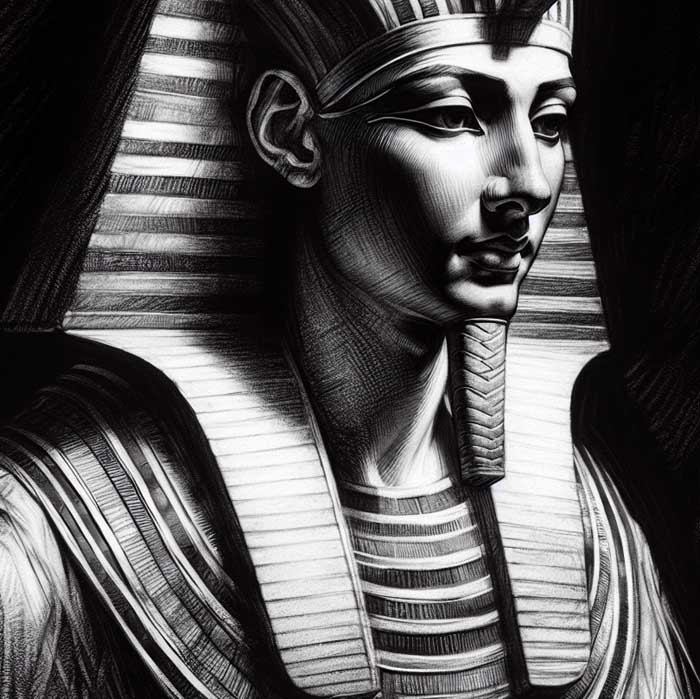
Understanding Necho in the Bible
Who is Necho in the Bible? Necho is a significant figure in biblical history, specifically known as the Pharaoh of Egypt during the time when the Kingdom of Judah was struggling to maintain its independence against great powers. His actions affected the nations around him, including the Israelites, and he appears primarily in the historical records of two books in the Old Testament: 2 Kings and 2 Chronicles.
The Historical Context of Necho
To fully appreciate the story of Necho, it’s vital to set the context of the time. The biblical narrative places Necho during a tumultuous period around the 7th century BCE. At this time, Egypt was regaining its power under Necho II, who ruled from approximately 610 to 595 BCE. This was also a time when the Assyrian Empire was declining, giving rise to new powers in the region, including Babylon and Egypt.



Necho’s Campaigns and Interactions with Judah
Necho appears prominently in the biblical texts during significant military campaigns. The Bible mentions his journey through Judah and his involvement in the fate of its last kings.
The March to Carchemish
Necho is best known for his role in the Battle of Carchemish in 605 BCE. Before this crucial battle, he was engaged in a major military campaign against the rising Babylonian Empire. The Pharaoh sought to assert Egypt’s dominance and control over the fertile lands of Syria and Palestine. This quest for expansion led him through the territory of Judah.
His path intersected directly with King Josiah, the pious and reformist king of Judah. Josiah attempted to block Necho’s advance, likely seeing him as a threat to Judah’s sovereignty. The clash between these two leaders symbolizes a struggle between local independence and foreign domination.
The Battle of Megiddo
The confrontation culminated in the famed Battle of Megiddo. According to 2 Kings 23:29-30 and 2 Chronicles 35:20-24, Josiah marched out to confront Necho. During the battle, however, Josiah fell gravely wounded and ultimately died. His death marked a turning point in Judah’s history, leading to a significant decline in the kingdom’s stability.
Necho, although victorious, did not have a straightforward path to control. Following Josiah’s death, he placed Josiah’s son, Jehoahaz, on the throne as a puppet ruler. However, this did not last long, as Necho captured Jehoahaz and took him to Egypt, where he died.
Impact on Judah
Necho’s involvement in Judah had lasting repercussions. His actions contributed to a cycle of puppet rulers in Judah, leading to instability and political manipulation. After Jehoahaz, Necho appointed Jehoiakim as king, expecting him to align with Egyptian interests. Unfortunately for Judah, this was a precursor to its eventual submission to Babylonian power.
Necho’s Legacy in the Bible
Necho’s actions, especially concerning the kings of Judah, illustrate the pressure from larger empires on smaller nations. He is sometimes depicted ambivalently in the biblical narrative, as his military actions aimed at expansion had significant consequences for Israel’s history.
Spiritual Consequences
From a theological perspective, Necho’s story raises questions about divine will versus human authority. The loss of Josiah, a king who sought to restore the worship of Yahweh, marked a decline in the spiritual state of Judah. The narrative indirectly comments on the necessity for faithful leadership in accordance with God’s covenant.
Necho in Extra-Biblical Sources
Outside the Bible, Necho is mentioned in ancient historical texts. The Greek historian Herodotus refers to Necho II in connection to his ambitious projects, including sending explorers along the Red Sea and creating a canal that connected the Nile River to the Red Sea. These achievements highlight Necho’s historical significance beyond his military conquests.
Understanding Necho’s role in biblical history allows readers to appreciate the complexities of the ancient Near East. His ambition and military endeavors contributed to shaping the dynamics of power in a region marked by continuous conflict.
Lessons Learned from Necho
Necho’s engagements symbolize the eternal struggle between various powers, revealing the fragility of nations caught in the crossfire of empires. Additionally, his tale offers timeless lessons about the importance of wise governance, the effects of political choices, and the ramifications of turning away from spiritual fidelity.
Moreover, Necho’s interactions with Judah serve as a reminder for readers of the biblical narrative that human decisions often lead to consequences that affect entire nations.
Conclusion
In summary, Necho in the Bible represents a pivotal figure whose actions intertwined the destinies of Egypt and Judah. His military campaigns and their aftermath profoundly impacted the history of Israel. Moreover, the narrative surrounding Necho emphasizes essential themes of authority, divine sovereignty, and the consequences of leadership—lessons still relevant today.
Common Questions Related to Necho In The Bible
Q. Who was Necho in the Bible?
A. Necho was an Egyptian Pharaoh known for his military campaigns that affected the Kingdom of Judah, particularly his confrontation with King Josiah.
Q. What was the significance of Necho’s battle with Josiah?
A. The battle at Megiddo marked a crucial moment in which King Josiah was killed, leading to instability in Judah and a shift in political power.
Q. How did Necho affect the kings of Judah?
A. After defeating Josiah, Necho installed a puppet king, Jehoiakim, which represented external political control over Judah.
Q. What were Necho’s ambitions?
A. Necho aimed to expand Egypt’s power and control over the territories of Syria and Palestine, particularly against the rising Babylonian Empire.
Q. What can we learn from Necho’s interactions with Judah?
A. Necho’s story highlights the complexities of leadership, the effects of foreign domination, and the need for spiritual fidelity in governance.
Q. Did Necho have any impact outside the Bible?
A. Yes, Necho II is mentioned by the Greek historian Herodotus for his ambitious projects, such as the canal linking the Nile to the Red Sea.
Q. What was the result of Necho’s military campaigns?
A. Necho’s campaigns led to changes in leadership in Judah, ultimately contributing to its vulnerability to Babylonian conquest.
Q. How is Necho portrayed in the Bible?
A. Necho is often seen as a formidable military leader whose ambitions brought both conflict and significant change to Judah.
Q. What role did Necho play in the decline of Judah?
A. By causing the death of King Josiah and manipulating subsequent rulers, Necho contributed to Judah’s political instability leading to its eventual downfall.
Q. Why is Necho’s story still relevant today?
A. Necho’s experiences provide insight into the impacts of power struggles, wise governance, and the importance of remaining faithful to one’s beliefs in leadership.
Explore Further
If you found this page about Necho interesting and would like to discover more about other biblical characters, explore our comprehensive Encyclopedia of Biblical Characters. For those looking to delve deeper into the Greek origins of these names and terms, our Greek Lexicon is an invaluable resource.