
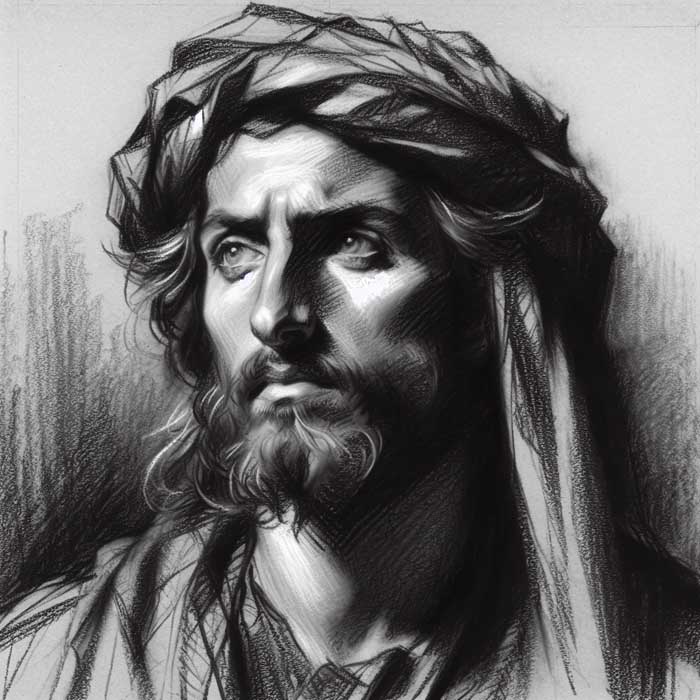
Understanding Machi in the Bible
Machi appears in the Bible, although not prominently like many other figures. To comprehend his role, we need to look closely at the contexts where his name arises and understand his lineage and significance.
Who is Machi in the Bible?
Machi is mentioned in the Old Testament, specifically in 1 Chronicles 2:50 and 1 Chronicles 2:51. He is identified as a descendant of Caleb and is part of the genealogy linking the tribe of Judah to David’s lineage. In this context, Machi exemplifies how individual names in the Bible often connect to larger family trees and historical narratives. Let’s delve deeper into who Machi is and his place in the biblical narrative.



Family Background and Lineage
Machi, the son of Caleb’s brother, represents a vital link in the lineage of the tribe of Judah. Understanding the family dynamics of Caleb and his descendants helps to appreciate Machi’s background. Caleb was one of the twelve spies sent by Moses to explore the land of Canaan. He is renowned for his faithfulness and courage when others doubted God’s promise.
Machi is one of several descendants in this lineage, showcasing how families played a crucial role in the biblical narrative. His mention enriches the history of Judah and demonstrates the importance of genealogy in understanding the fulfillment of biblical prophecies, especially concerning the line of David and ultimately, the Messiah.
Significance in the Genealogy of Jesus
Genealogies are often found in the Bible, linking Jesus back to significant figures within the Jewish tradition. While Machi might not appear in the New Testament genealogies explicitly, his place in the family tree of Judah contributes to the broader narrative. The line from Judah eventually leads to David, who is a critical figure as the king from whose bloodline Jesus descends.
Machi’s inclusion in the genealogical record of Caleb underscores the importance of every family member during this time. Each name mentioned carries with it a history, a story, and in many cases, spiritual significance. The lineage emphasizes God’s plan for His people, using ordinary individuals to fulfill His divine purpose.
Contribution to the Tribe of Judah
The tribe of Judah holds a significant role in Israel’s history. Known for its strength and leadership, Judah was the tribe from which many kings arose, including David and Solomon. While Machi may not have been a ruler or warrior of renown, he still plays a part in the story of a tribe that is foundational to Israel.
The spiritual legacy of the tribe includes powerful figures, but it also includes ordinary members like Machi, whose lives contributed to the identity and character of the tribe. Every individual is crucial to God’s plan, no matter their level of visibility or authority.
Symbolic Representation of Faithfulness
Machi’s very name, meaning “helper” or “assistant,” carries symbolic significance in biblical narratives. Throughout scripture, God often raises up individuals from seemingly humble backgrounds to fulfill His purposes. Machi can be seen as a reminder of faithfulness within God’s selection process; being part of a legacy that underscores loyalty and commitment to God’s covenant with His people.
In many instances, God uses seemingly insignificant individuals to accomplish His divine missions, demonstrating that everyone has a role, even if it doesn’t always make headlines. This brings comfort to those who might feel overlooked or unappreciated—Machi’s story exemplifies how every believer is part of the grand design of God.
Cultural Context of the Time
Understanding the time in which Machi lived provides further insight into his significance. The era of the judges and the initial years of the monarchy were marked by turmoil and struggle, as the Israelites sought to establish themselves in the Promised Land. The names in genealogies often reflect the people’s experiences, their victories, defeats, and the promises of God.
As a descendant of Caleb, who boldly claimed God’s promise, Machi symbolizes the beliefs and traditions passed down through generations. His lineage signifies continuity of faith—the belief that God would fulfill His promises and that the community’s identity was tied to the faith of their ancestors.
Reflections on Legacy and Identity
In examining Machi, believers can consider the importance of legacy and identity in their own lives. How do personal histories and family backgrounds shape individual faith journeys? Machi may not be a household name, but his mention speaks to each person’s potential impact in God’s story.
Machi’s life and family line invite us to reflect on how we each can contribute to our communities and leave a legacy of faith. Whether through acts of kindness, character, or support for others, every person has the chance to make a difference.
Conclusion: The Lasting Impact of Machi
Machi’s presence in the biblical narrative may be subtle, but it is significant. He serves as a reminder that every individual plays a role in the broader tapestry of history, faith, and family. While his story might not be told in detail, it contributes to the unfolding narrative of God’s redemptive plan throughout scripture.
From his lineage connecting to the tribe of Judah to symbolizing the faithfulness that God seeks in His followers, Machi embodies the truth that no one is insignificant in God’s eyes.
Understanding characters like Machi encourages believers to appreciate the rich genealogies in the Bible that help tell the story of God’s people and prepare the way for the coming of Jesus Christ.
Common Questions Related to Machi In The Bible
Q. Who is Machi in the Bible?
A. Machi is a descendant of Caleb mentioned in the genealogies of the tribe of Judah found in 1 Chronicles.
Q. What does the name Machi mean?
A. The name Machi means “helper” or “assistant,” reflecting the role he played in his lineage.
Q. How is Machi related to the tribe of Judah?
A. Machi is a member of the tribe of Judah, specifically a descendant of Caleb, highlighting his place in the tribe’s genealogy.
Q. What significance does Machi have in the Bible?
A. Machi contributes to the genealogical record leading to King David and ultimately to Jesus Christ, indicating the continuity of God’s promises.
Q. How does Machi’s story reflect the theme of faithfulness?
A. Machi’s lineage shows how ordinary people can be part of God’s great plan, symbolizing the faithfulness expected from God’s followers.
Q. Who was Caleb, and what is his connection to Machi?
A. Caleb was one of the twelve spies sent to scout Canaan. He is Machi’s ancestor, known for his faithfulness to God.
Q. Why are genealogies important in the Bible?
A. Genealogies link historical figures, showing God’s promise through lineages and demonstrating His plan for redemption.
Q. How does the story of Machi inspire modern believers?
A. Machi’s humble mention encourages today’s believers to understand their roles in God’s narrative, emphasizing that everyone has significance.
Q. What does Machi represent in terms of legacy?
A. Machi represents the idea that every person, regardless of fame or recognition, contributes to the ongoing legacy of faith in their community.
Q. How does Machi’s inclusion in scripture emphasize God’s plans?
A. Machi’s mention shows that God works through all people, not just the famous, to fulfill His promises and sustain His people through generations.
Explore Further
If you found this page about Machi interesting and would like to discover more about other biblical characters, explore our comprehensive Encyclopedia of Biblical Characters. For those looking to delve deeper into the Greek origins of these names and terms, our Greek Lexicon is an invaluable resource.