
Exploring the Meaning of Nekros in Greek
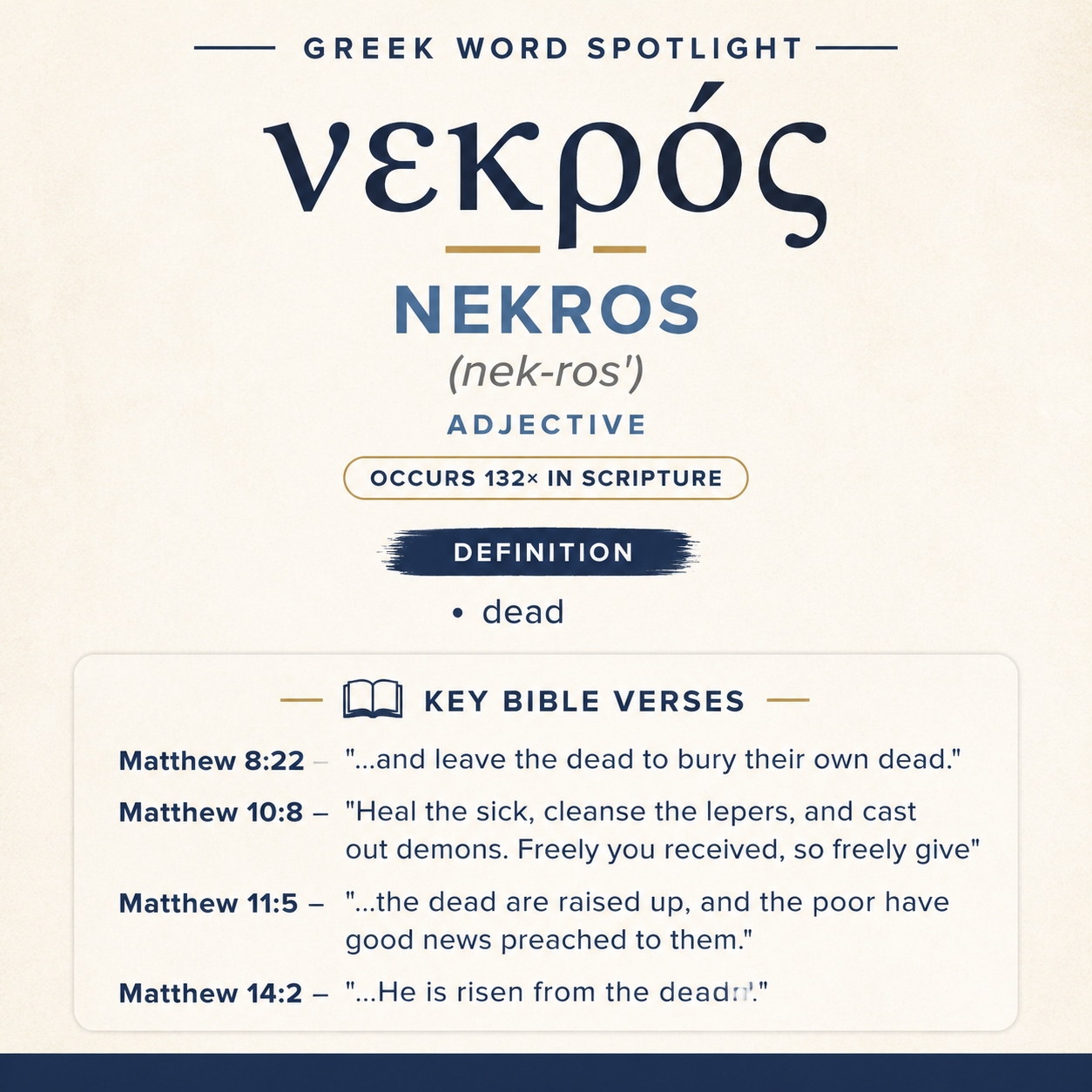
νεκρός means “dead” in Greek and occurs 132 times in Scripture, including Matthew 8:22, 11:5, and 22:31–32.
Core Meaning
νεκρός is defined as “dead.” In Matthew, it appears in contexts like burial and resurrection.
Learn More →Matthew Examples
Matthew 8:22 contrasts following Jesus with “the dead” burying “their own dead.” Matthew 11:5 includes the statement that “the dead are raised up.”
Learn More →Resurrection Context
Matthew 22:31–32 speaks of “the resurrection of the dead” and declares God is not the God of the dead. Matthew 14:2 refers to being “risen from the dead.”
Learn More →νεκρός means “dead.” In these passages it describes bodies and bones, marks the realm from which someone is raised, and even supplies a vivid comparison for terror and for religious uncleanness.
Occurrences
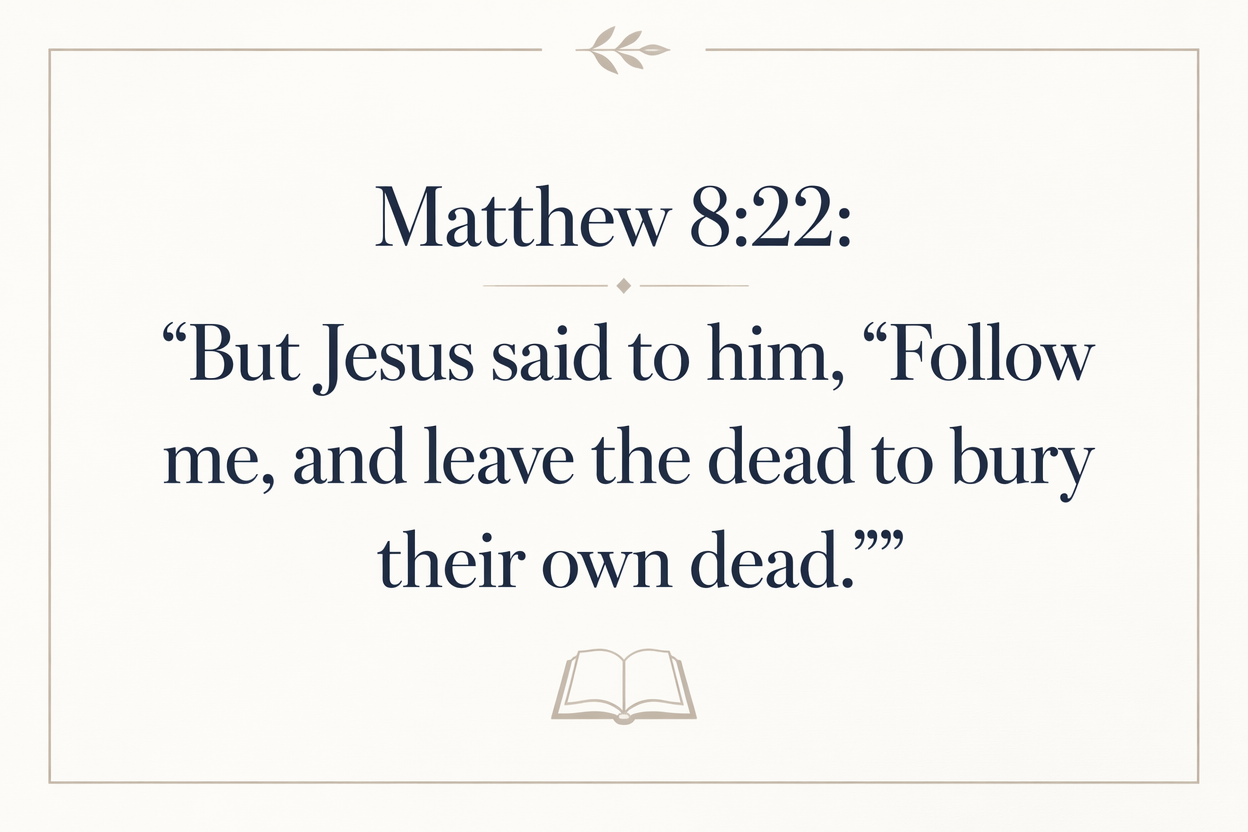
Matthew 8:22: “But Jesus said to him, “Follow me, and leave the dead to bury their own dead.””
νεκρός appears twice to sharpen Jesus’ command. The saying turns on the ordinary expectation that a burial must be handled, yet Jesus frames it as a matter that “the dead” can take care of for “their own dead.” The repetition makes “dead” the controlling category of the scene, pressing the contrast between the call “Follow me” and the sphere where the dead attend to the dead.
Matthew 10:8: “Heal the sick, cleanse the lepers, and cast out demons. Freely you received, so freely give.”
Within this commission, νεκρός belongs to the cluster of human need named in a rapid series of actions (healing, cleansing, casting out). The word sets “dead” as one of the conditions that the disciples are sent out to confront as they act under Jesus’ authority, paired with other unmistakably serious afflictions.
Matthew 11:5: “the blind receive their sight, the lame walk, the lepers are cleansed, the deaf hear, the dead are raised up, and the poor have good news preached to them.”
Here νεκρός functions as the extreme case within a catalog of restorations. “The dead are raised up” places “dead” as the state that is reversed, aligning it with other reversals (blind seeing, lame walking, deaf hearing). The wording presents deadness as a real condition that can be answered by being “raised up.”
Matthew 14:2: “and said to his servants, “This is John the Baptizer. He is risen from the dead. That is why these powers work in him.””
In Herod’s interpretation, νεκρός marks the prior state from which John is imagined to have come back: “risen from the dead.” The phrase establishes “the dead” as a domain with a boundary that can be crossed, and it supplies the explanation Herod gives for “these powers” at work.
Matthew 17:9: “As they were coming down from the mountain, Jesus commanded them, saying, “Don’t tell anyone what you saw, until the Son of Man has risen from the dead.””
Jesus’ instruction ties the timing of their silence to a future event: the Son of Man rising “from the dead.” νεκρός again indicates the state left behind by resurrection, and it sets a horizon for when the disciples’ testimony may be spoken.
Matthew 22:31: “But concerning the resurrection of the dead, haven’t you read that which was spoken to you by God, saying,”
In this debate, νεκρός is the object of “resurrection”: the topic is “the resurrection of the dead.” The expression gathers the dead into a single category whose destiny is being argued, making “dead” central to the doctrinal question under discussion.
Matthew 22:32: “‘I am the God of Abraham, and the God of Isaac, and the God of Jacob?’ God is not the God of the dead, but of the living.”
νεκρός frames a stark contrast: “the dead” versus “the living.” The point is made through the title “God of,” and the negative statement (“not the God of the dead”) uses “dead” as a category that does not define God’s relationship in the way “living” does. The word’s force here is not descriptive of a corpse in view, but classificatory, dividing humanity into two states.
Matthew 23:27: ““Woe to you, scribes and Pharisees, hypocrites! For you are like whitened tombs, which outwardly appear beautiful, but inwardly are full of dead men’s bones, and of all uncleanness.”
Here νεκρός is visceral and concrete: “dead men’s bones.” The contrast between outward beauty and inward content depends on the horror and impurity associated with what is “dead.” By placing “dead men’s bones” inside “whitened tombs,” the saying uses the word to intensify the charge of hidden corruption and “uncleanness.”
Matthew 27:64: “Command therefore that the tomb be made secure until the third day, lest perhaps his disciples come at night and steal him away, and tell the people, ‘He is risen from the dead;’ and the last deception will be worse than the first.”
νεκρός appears within a feared proclamation: “He is risen from the dead.” The concern is not simply about the tomb, but about the public claim that Jesus has crossed from deadness back into life. The phrase treats “the dead” as a recognized condition from which rising would be momentous enough to sway “the people.”
Matthew 28:4: “For fear of him, the guards shook, and became like dead men.”
νεκρός supplies an image of paralysis and collapse: the guards “became like dead men.” The comparison does not report an actual death in the scene; instead it uses the look and stillness associated with being dead to convey the intensity of “fear” and the guards’ loss of strength.
Matthew 28:7: “Go quickly and tell his disciples, ‘He has risen from the dead, and behold, he goes before you into Galilee; there you will see him.’ Behold, I have told you.”
In the angelic message, νεκρός anchors the announcement’s content: Jesus “has risen from the dead.” The word emphasizes the reality that what the disciples are to report is a reversal of death itself, and it grounds the subsequent instruction (“he goes before you into Galilee”) in that decisive change of state.
Mark 6:14: “King Herod heard this, for his name had become known, and he said, “John the Baptizer has risen from the dead, and therefore these powers are at work in him.””
Mark repeats the same interpretive move as Matthew’s account: “risen from the dead” becomes Herod’s explanation for extraordinary “powers.” νεκρός again serves as the baseline condition; rising from it is imagined as the cause of unusual ability and influence.
Sense and Usage
Across these occurrences, “dead” functions in three main ways. First, it names an actual condition linked with physical remains and burial. Matthew 23:27 presses the bodily dimension to its most graphic point with “dead men’s bones,” and Matthew 8:22 keeps burial in view by pairing “dead” with the act of burying. In these settings, the word’s plain sense supplies the weight of what is lifeless, inert, and bound to the grave.
Second, νεκρός regularly appears in the set phrase “risen from the dead,” which treats “the dead” as a realm or state from which someone can be raised. In Matthew 14:2, Matthew 17:9, Matthew 27:64, Matthew 28:7, and Mark 6:14, the phrase is not merely a description of a prior moment; it is the hinge for interpreting power, setting timing for disclosure, guarding a tomb, and announcing what has happened. In Matthew 11:5, “the dead are raised up” places the word inside a list of restorative works, giving it a climactic position: if even the dead are raised, the scope of the works being described is comprehensive.
Third, “dead” can operate as a category in argument or comparison. Matthew 22:31–32 uses “the dead” as the collective subject of “resurrection” and contrasts “the dead” with “the living,” employing the word to structure a theological claim. Matthew 28:4 uses deadness as a likeness: the guards are “like dead men,” showing how the concept of being dead can be applied figuratively to describe the appearance and behavior of the living when overwhelmed by fear.
Imagery
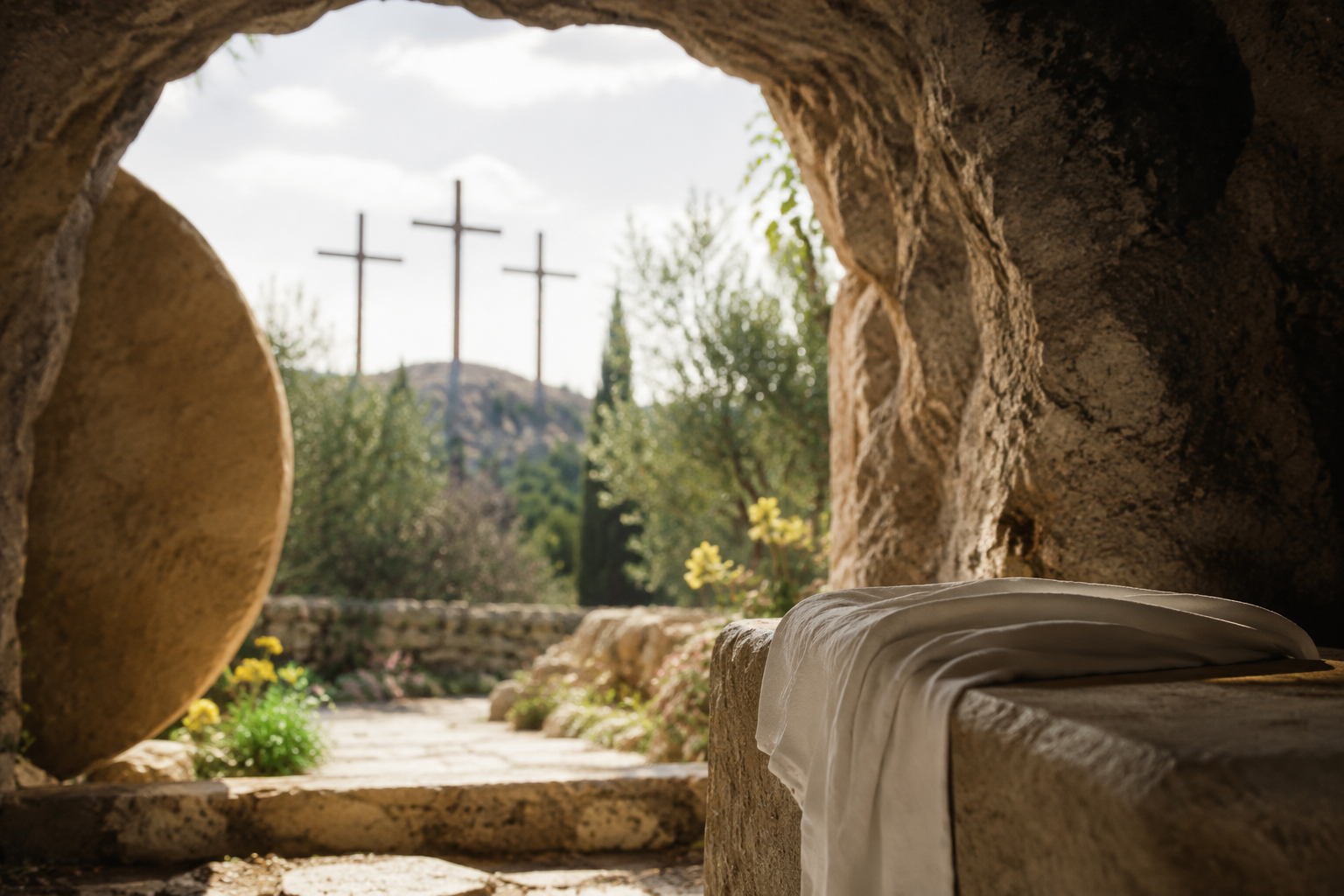
The passages cluster “dead” around tombs, bones, burial, and guarded graves, so the word carries the tangible world of death’s aftermath (Matthew 23:27; Matthew 27:64). Yet in the same breath, several texts put “dead” next to the verb of reversal—“raised up” or “risen from the dead”—so that the imagery repeatedly pivots from sealed stillness to startling change (Matthew 11:5; Matthew 28:7). Even when used as a comparison (“like dead men”), the picture depends on how unmistakable deadness looks, reinforcing how dramatic the resurrection claims sound within these scenes (Matthew 28:4).
Sources: Lexical data from Strong’s Exhaustive Concordance and the Translators Brief Lexicon of Extended Strongs for Greek (STEPBible, CC BY). Occurrence data from the Translators Amalgamated Greek New Testament (STEPBible, CC BY). Scripture quotations from the World English Bible (public domain).




