
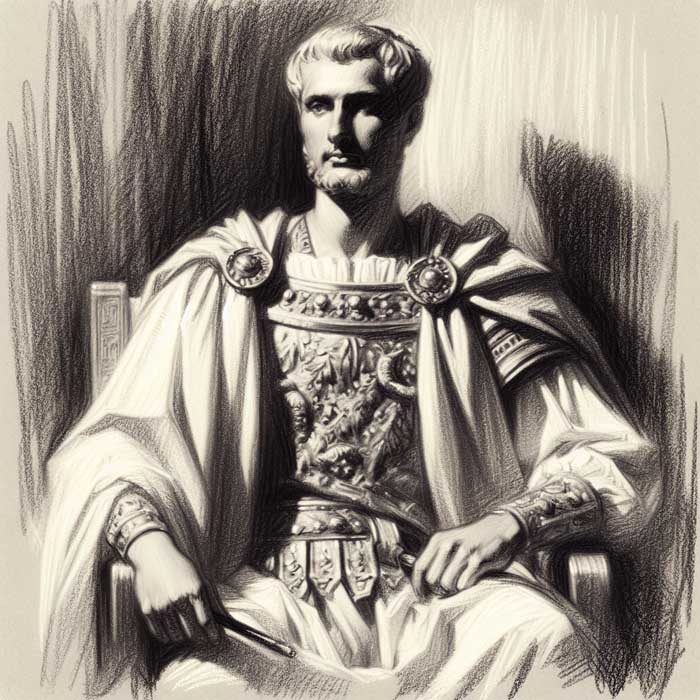
Who is Porcius in the Bible?
Porcius Festus is a significant figure in the Bible who served as a Roman governor of Judea. His story is primarily mentioned in the New Testament, particularly in the Book of Acts. He is known for his involvement in the trial of the Apostle Paul. Understanding his role provides insight into the Roman governance of Judea and the challenges faced by early Christians.
Background on Roman Governance in Judea
To better understand Porcius’s role, it is important to grasp the historical context of Roman rule in Judea. Judea was under Roman control from 63 BC onwards. This period saw a complicated relationship between the Jewish population and the Roman Empire. Governors, like Porcius Festus, were appointed to ensure stability and manage the region.




The political climate during Festus’s time was tense due to various uprisings and conflicts among different Jewish factions. The Roman authorities often relied on local leaders to maintain order, but this frequently led to challenges in governance, especially regarding religious issues.
The Role of Porcius Festus
Porcius Festus succeeded Felix as governor of Judea around AD 59. His brief tenure has been documented mainly through Paul’s trials, which reveal aspects of his character and decision-making.
Initial Actions as Governor
After taking office, Festus sought to gain favor with the Jewish leaders to promote peace and order. He understood the delicate balance of power in Judea. However, he quickly faced the challenges of dealing with the Apostle Paul, who had been imprisoned by Felix.
The Trial of Paul
One of Festus’s most notable acts as governor was conducting the trial of Paul, who had been accused of various offenses by Jewish leaders. The Jewish authorities wanted to have Paul brought to Jerusalem to face judgment, hoping to ambush and kill him on the way. Festus, aware of the implications and the political minefield he was in, refused their request. Instead, he proposed that Paul be tried in Caesarea, where the Roman court system could properly adjudicate the dispute.
During the trial, Paul defended himself against the accusations, highlighting his commitment to his faith and the teachings of Jesus Christ. Festus, confused about the religious nuances of the accusations, noted that Paul was involved in disputes about Jewish law, which did not seem to warrant the death penalty.
Paul’s Appeal to Caesar
When Paul realized that he may not receive a fair trial at the hands of the Jewish authorities, he made an important decision—he appealed to Caesar. This was a right granted to Roman citizens, allowing them to seek justice directly from the emperor. Festus acknowledged Paul’s request and agreed to send him to Rome. This decision demonstrated his unwillingness to compromise his legal obligations, even in a politically charged atmosphere.
Character Analysis of Porcius Festus
Festus’s character can be analyzed through his actions and decisions during the trials of Paul. Key aspects include his desire for justice, his political savvy, and his struggle to navigate the complexities of Jewish law versus Roman law.
Desire for Justice
Despite being a Roman governor, Festus displayed a sense of fairness during Paul’s trial. He did not rush to judgment based on public opinion, choosing to listen to Paul’s defense carefully. This dedication to justice is noteworthy, considering the corruption often associated with Roman officials at the time.
Political Savvy
Festus understood the political landscape and the importance of maintaining peace in Judea. By refusing to hand Paul over to the Jewish leaders, he demonstrated an awareness of the potential backlash and unrest that could result from such an action. This savvy approach helped to uphold some level of stability in the region during his rule.
Challenges of Governance
Festus was caught between the demands of the Jewish leaders and the legal rights of Paul as a Roman citizen. His struggle to balance these competing interests reflects the difficulties faced by Roman governors in maintaining order while respecting local customs and legal frameworks.
The Legacy of Porcius Festus
The story of Porcius Festus is not widely known but represents a critical moment in the early Christian church. His interactions with Paul highlight the tension between Judaism and emerging Christianity within the Roman Empire.
Influence on Paul’s Mission
Festus’s decision to send Paul to Caesar ultimately facilitated the Apostle’s mission work in Rome. This was significant for the spread of Christianity, as it allowed Paul to reach a broader audience and share the gospel in the heart of the empire.
Reflection on Justice
Festus serves as an example of a ruler who tried to uphold justice in a tumultuous environment. His story reminds us that even in systems of power, individuals can choose fairness and integrity, influencing the course of history in ways that exceed their immediate context.
Conclusion
Porcius Festus may not be a household name, but his role in the biblical narrative is important. By understanding his actions during Paul’s trial, we gain insights into the complexities of Roman rule in Judea and the early Christian church. His character exemplifies the challenges faced by leaders in maintaining justice while dealing with the expectations of their political environment.
Common Questions Related to Porcius In The Bible
Q. Who was Porcius in the Bible?
A. Porcius Festus was a Roman governor of Judea who is known for presiding over the trial of the Apostle Paul.
Q. Where can I find Porcius in the Bible?
A. Porcius Festus is mentioned primarily in the Book of Acts, chapters 24 to 26.
Q. What did Porcius Festus do about Paul’s trial?
A. Festus conducted the trial of Paul and ultimately sent him to Rome after Paul appealed to Caesar.
Q. Why did Porcius refuse to hand Paul over to the Jewish leaders?
A. Festus refused because he recognized that the accusations against Paul did not warrant a death penalty and he was cautious about potential unrest.
Q. How did Festus handle the political situation in Judea?
A. Festus sought to maintain peace by gaining the favor of Jewish leaders while also upholding Roman law.
Q. What rights did Paul exercise during his trial before Festus?
A. Paul, as a Roman citizen, exercised his right to appeal to Caesar for a fair trial.
Q. What was the historical context of Porcius Festus’s governorship?
A. Festus governed Judea during a time of political tension and conflict among Jewish factions and between Jews and the Roman Empire.
Q. How did Porcius Festus contribute to the spread of Christianity?
A. By sending Paul to Rome, Festus indirectly facilitated the Apostle’s efforts to spread Christianity throughout the empire.
Q. Was Porcius Festus known for being corrupt?
A. Unlike many of his contemporaries, Festus is depicted as attempting to administer justice fairly, despite the political pressures he faced.
Q. What can we learn from Porcius Festus’s leadership?
A. Festus’s story teaches us about the importance of fairness, integrity, and thoughtful decision-making in leadership roles.
Explore Further
If you found this page about Porcius interesting and would like to discover more about other biblical characters, explore our comprehensive Encyclopedia of Biblical Characters. For those looking to delve deeper into the Greek origins of these names and terms, our Greek Lexicon is an invaluable resource.